


Default

Leasing & Financing

Whether you are a business executive looking to invest in new equipment or a vendor seeking financing options for your clients, you can leverage flexible financing through First American.

Case Studies

See firsthand how organizations have achieved their goals with customized financing from First American.

Industry Trends | Power & Utilities

What We Heard at TFACC 2026: Conversations Shaping Cooperative Finance

What We Heard at TFACC 2026: Conversations Shaping Cooperative Finance

For electric cooperatives, financial planning is becoming less about predicting exactly what comes next and more about being prepared to respond when conditions change. After more than a decade of relatively flat electricity consumption, U.S. demand has grown by an average of 2.1% annually over the past five years.1

That idea surfaced repeatedly at the 2026 Tax, Finance & Accounting Conference for Cooperatives (TFACC), where discussions covered large-load growth, changing capital needs, rate strategy, budgeting and debt management.

Across those conversations, five themes stood out for cooperative finance leaders.

Large-Load Growth Is Creating New Capital Demands

Large-load customers, including data centers, can create meaningful growth opportunities for electric cooperatives. They can also require significant infrastructure investment before the associated revenue is fully realized.

Data centers could account for nearly 12% of total U.S. electricity use by 2030, highlighting the scale of potential load growth utilities are preparing for.2

Serving these customers may require investments in substations, transformers, feeders, switchgear, metering and communications infrastructure. That timing can place additional pressure on cash flow and borrowing capacity, particularly when capital commitments begin well before load ramps up.

For finance leaders, the challenge is balancing new infrastructure needs with the ability to fund other planned investments. 
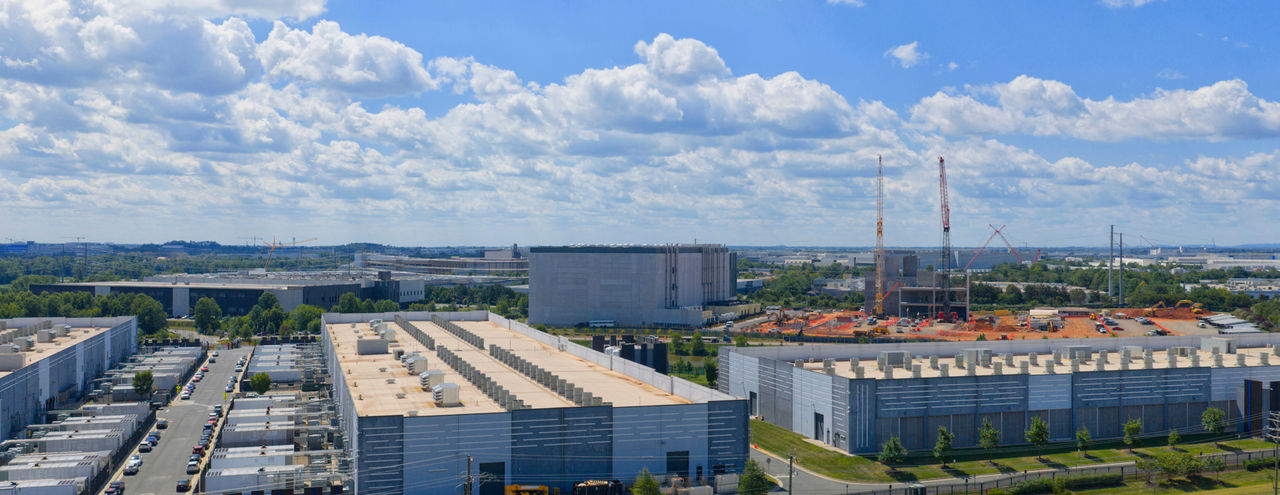
Large-load opportunities can be significant, but the financial plan needs to account for both the investment required and the timing of future revenue.

Budgets Need Room to Adapt

Project timing, costs and capital priorities can shift after an annual plan is established. Several discussions focused on maintaining the budget as a financial benchmark while using updated forecasts to reflect changes throughout the year.

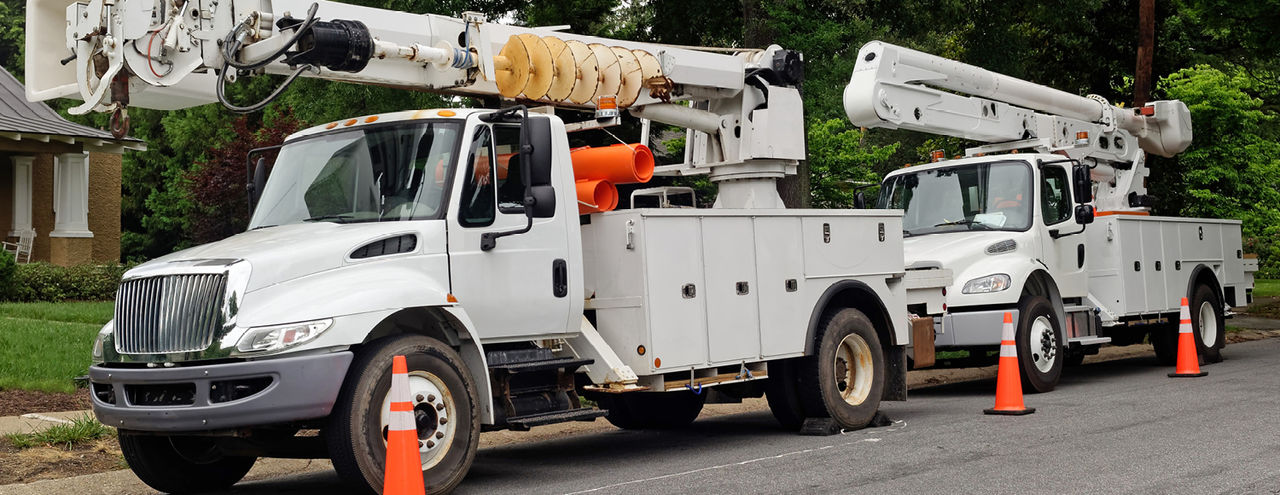
First American has seen similar shifts firsthand. One electric cooperative had historically funded fleet purchases with cash, but rising vehicle costs prompted the organization to explore a different approach. What began as a single electric vehicle acquisition ultimately developed into a seven-figure fleet financing strategy, helping the cooperative support additional vehicle needs while preserving capital for other priorities.

Having access to additional funding options can help finance teams respond when project timing or costs change without displacing other planned investments.

Strong capital planning gives cooperatives more flexibility to respond when priorities shift.

Rate Strategies Are Adapting to Changing Costs

Rate design was another important area of discussion. Cooperatives are balancing cost recovery, cash flow stability and member impact while evaluating structures such as customer charges, time-of-use rates, demand charges and targeted riders.

For finance leaders, the broader issue is how rising infrastructure and operating costs affect the overall financial plan. Capital structure can influence near-term cash requirements, debt service and liquidity.

Flexible financing cannot eliminate the underlying cost of an investment, but it can help align project payments with budget timing while preserving capital for other priorities.

As costs change, capital and rate planning become increasingly connected.

Debt Strategy Involves More Than the Interest Rate

Debt portfolio discussions focused less on individual transactions and more on how financing decisions affect long-term flexibility.

Considerations included amortization, fixed- versus variable-rate exposure, asset useful life, liquidity, debt service coverage and future borrowing capacity.

For cooperatives managing multiple capital projects across several budget cycles, the financing structure should support more than the immediate purchase. It should also preserve capacity for future needs.

The right financing structure should support both the current project and the cooperative's ability to fund future priorities. 

Financial Flexibility Can Help Cooperatives Respond to Change

Financial flexibility matters when challenges arise, but it can be just as important when an opportunity moves forward sooner than expected.

A fleet replacement, technology upgrade or infrastructure project may accelerate, while other investments may need to be delayed or restructured as conditions change.

Fixed-rate financing, deferred payments, progress payments and other customized structures can help align cash outflows with project timing. For longer-term initiatives, financing can also be structured around the useful life of the assets being acquired.

The objective is not simply to finance more projects. It is to maintain options as capital needs evolve. 

Financial flexibility can help cooperatives respond to both challenges and opportunities without disrupting other planned investments.

Planning for What Comes Next

The conversations at TFACC reinforced how closely connected cooperative financial decisions have become.

Load growth can increase infrastructure requirements and capital spending, which may drive additional borrowing, debt service and depreciation. Those costs can ultimately affect revenue requirements and future rate planning.

For finance leaders, maintaining flexibility across the capital plan can help provide options as project needs, budgets and timelines change.

First American's Power & Utilities team works with electric cooperatives and other utility organizations to structure financing around capital budgets, project timelines and long-term goals. From fleet and technology to infrastructure, automation, communications and facilities, flexible financing can help support planned investments while preserving capital for other priorities. 

Explore More Insights

Key Takeaways from the 2026 U.S. Economic Forecast

Data center

5 Strategies to Modernize Fleets for Utilities and Environmental Services

Two utility fleet vehicles on the side of the road.

Tax-Efficient Capital Planning Under OBBBA

The east side of the US Capitol in the early morning. Senate Chamber in the foreground.